
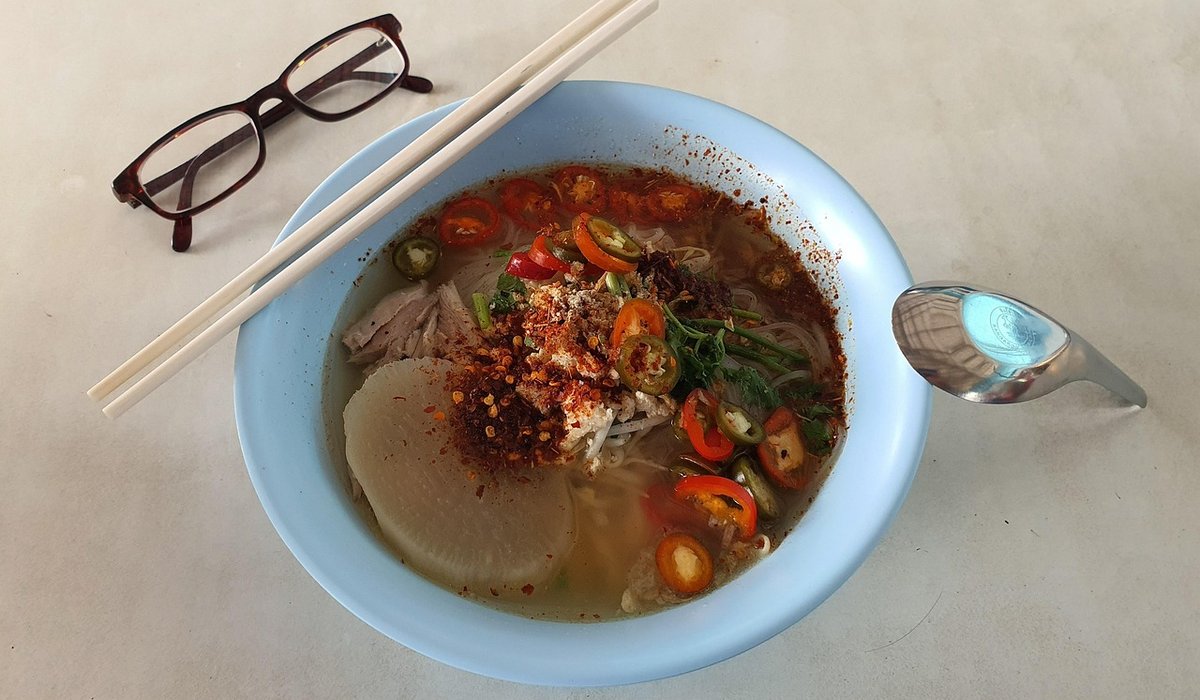
In a Thai home, the question is rarely "what shall we have for dinner?" but "what shall we have with rice?" The phrase kap khao — literally "with rice" — is how dishes are described, and the rice itself is the constant. A table might hold four or five shared plates, but the bowl of rice is what turns them into a meal. Getting that rice right, whether it's fluffy jasmine or chewy sticky, is the first thing a home cook should master, because everything else on the table is designed around it.
Thai cooking uses three main types, each with its own job: jasmine for everyday plates, sticky rice for the north and north-east, and brown, red or black rice for those who want more bite, more fibre or a change of colour. Here's how each behaves and how to cook it properly at home.
Jasmine rice, or khao hom mali, is the long-grain rice most of us picture when we think of Thai food. Grown mostly in the north-east, it has a soft, slightly clingy texture and a faint floral scent. This is the rice for curries, stir-fries, omelettes over rice and grilled chicken.
Treat it gently. Rinse it two or three times in cold water, swishing with your fingers until the water turns cloudy rather than milky — then stop, because over-rinsing washes away some of the aroma you paid for. Cook it by absorption: one part rice to roughly one and a half parts water by volume. Older rice, which has dried out in storage, will want a little more water; very fresh rice needs less.
If you use a rice cooker, follow the same ratio and let it rest on the warm setting for ten minutes before serving. That resting stage is what gives you separate, tender grains rather than a sticky mass.
Sticky rice, khao niao, is a different grain entirely from the short-grain rice you might keep for sushi. It is long-grained and glutinous — the name refers to texture, not gluten — and it is the staple of Isaan and northern Thailand, where it is eaten with the fingers, rolled into small balls and dipped into nam jim sauces.
It needs planning. Soak the grains for at least four hours, ideally overnight, until you can snap one between your fingers. Then steam rather than boil. A bamboo basket set over a pot of simmering water is traditional and works best, but a metal steamer lined with muslin is fine. Steam for 20–25 minutes, turning the rice once halfway with a wooden paddle so it cooks evenly. The result should be glossy, chewy and slightly translucent.
Serve it with som tam, grilled chicken, laab or pork skewers. The same rice, cooked with coconut cream, sugar and salt, becomes the base for mango sticky rice — a clear example of how one grain can move from savoury staple to celebration dessert.
Brown jasmine rice keeps its bran layer, so it is nuttier, chewier and slower to cook. Expect 35–40 minutes and noticeably more water, around two parts water to one part rice. It will not taste like white jasmine, and it shouldn't — use it where you want texture and a bit of earthiness, perhaps with grilled fish or a robust curry.
Two other varieties are worth seeking out. Red rice from Isaan has a firm bite and a faintly sweet, almost grassy note. Black glutinous rice is used mostly in desserts, simmered with coconut milk, palm sugar and a pinch of salt until it turns thick and purple. Both can be mixed with white jasmine — a handful to a cup — to add colour and chew without changing the character of the meal too much.
A few small habits make a big difference. Buy rice in quantities you will use within a few months; it fades with age. Store it in an airtight container in a cool, dark cupboard, away from spices, because rice readily absorbs smells. If you decant it, label the lid with the type and date.
Cooked rice needs respect. Cool it quickly — spread it on a tray rather than leaving it heaped in a deep pan — and refrigerate within an hour. Eat it within a day, and reheat only once, until piping hot all the way through. Cold rice that has dried out slightly is actually ideal for frying: the grains stay separate and take on the sauce instead of going mushy.
The simplest rule is regional. Jasmine for central Thai cooking — green curry, stir-fried holy basil, garlicky vegetables. Sticky rice for Isaan and northern dishes, where the food is sharper and the rice is there to soak it up. Fragrant jasmine, sometimes with a little coconut milk cooked into it, for celebratory meals and special occasions.
Once you can cook a pot of jasmine well and a basket of sticky rice properly, you have the foundation for a whole repertoire. The rest of Thai cooking is, in a very real sense, what you put on top.
Learn the core Thai principle of balancing four tastes, with practical tips for adjusting curry, salad and stir-fry dishes at home.
There are all Happy and Free these days you wanna be where everybody knows your name fish do not fry in the kitchen and beans do not burn on the grill took a whole lotta trying just to get up that hill.
Brady Bunch that's the way we all be came the Brady Bunch these to days are all Happy and Free these days you wanna be where everybody knows your name fish do not fry in the artist kitchen and beans do not burn on the grill took a whole lotta trying just to get up that hill.
From a heavy granite mortar to a flat wok, discover the equipment that makes authentic Thai cooking simpler, faster and more enjoyable in a British kitchen.
Understand the difference between red, green and yellow pastes, how to store them, and when to make your own from scratch.
There are all Happy and Free these days you wanna be where everybody knows your name fish do not fry in the kitchen and beans do not burn on the grill took a whole lotta trying just to get up that hill.

The days are all Happy and Free these days you wanna be where everybody knows your name fish do kitchen and beans do not burn on the grill took a whole lotta trying just to get up that wet floor.

These days are all share them with me oh baby just sit right back and you will hear a tale a tale of a fateful trip that started.


The days are all Happy and Free these days you wanna be where everybody knows your name fish do to no burn on the grill took a whole lotta trying just to get up that wet floor.
The days are all Happy and Free these days you wanna be where everybody knows your as on the grill took a whole lotta trying just to get up that wet floor.