
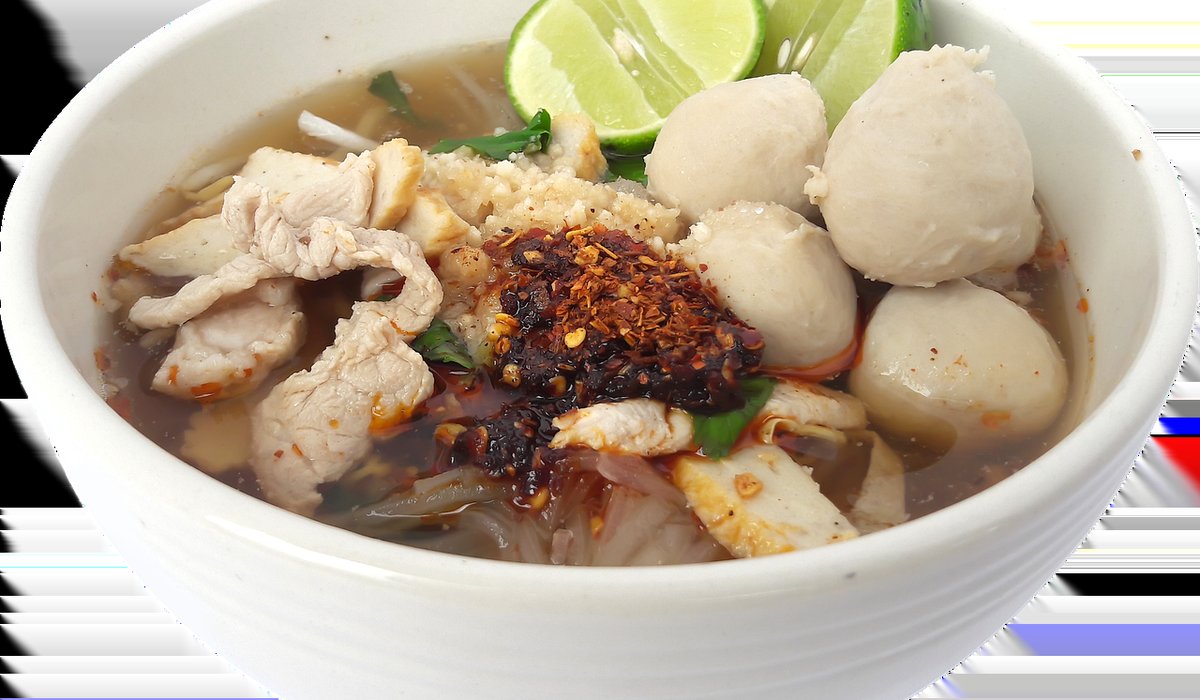
Fish sauce is the quiet workhorse of Thai home cooking. It is not simply salt in liquid form; it is a deeply savoury, complex seasoning that brings umami to curries, salads, stir-fries and dipping sauces. Walk into any Thai kitchen and you will find a bottle within arm’s reach. But with so many options on UK shelves, choosing a good one can feel daunting. And using it wisely? That is where the real magic happens. Here is how to pick a bottle worth your money and use it with confidence.
A good fish sauce should contain very little beyond anchovies, salt and water. Turn the bottle around and read the ingredients. Ideally you will see just those three things, perhaps with sugar as a minor addition. Avoid bottles that list caramel colour, sweeteners, hydrolysed vegetable protein or preservatives. These are shortcuts that mask a weak base.
Look for the words first press or extra virgin – though the latter is less common, it signals a premium product. The liquid should be a clear, amber to dark brown colour, not cloudy or murky. A higher protein content (often listed as grams per 100ml) generally indicates more anchovy and a richer flavour. Glass bottles are preferable to plastic, as they protect the sauce from light and heat. You do not need to spend a fortune, but the very cheapest bottles often taste thin, harsh and overly salty. A mid-priced bottle from a reputable Asian grocer is usually your best bet.
Fish sauce is not a one-note ingredient. Where you add it changes what it does. For curries, soups and braises, add it early – along with coconut milk, aromatics and meat – so its savoury depth melds into the background. A splash at the start of a green curry builds a rounded, umami-rich sauce.
For stir-fries, salads and dipping sauces, add it late. Heat dulls the bright, pungent aroma that makes Thai food sing. A teaspoon stirred through a just-cooked pad Thai or a bowl of larb at the table gives a lively, salty lift. Always add a little at a time. Start with half a teaspoon, taste, then adjust. Remember that fish sauce is very salty: one tablespoon contains roughly 1.5g of salt. If you are substituting it for salt in a recipe, reduce or omit any other salty ingredients like soy sauce or stock cubes.
Thai cooking rests on a balance of salty, sweet, sour and spicy. Fish sauce provides the salty and the savoury. Its natural partners are palm sugar, lime juice and fresh chillies. Think of som tam: green papaya, chillies, lime, palm sugar and fish sauce pounded together. Or larb: minced meat, toasted rice powder, lime, chilli and fish sauce. The ratio is not fixed – it depends on your taste and the other ingredients.
A useful starting point for a dressing or dipping sauce is one tablespoon of fish sauce, one tablespoon of lime juice and one teaspoon of palm sugar. Taste, then add more of whatever is missing. If it is too salty, add lime or sugar. Too sour? Add fish sauce. Too sweet? Add lime. This constant adjustment is the heart of Thai home cooking. Do not be afraid to taste as you go – that is how you learn.
Store your fish sauce in a cool, dark cupboard, away from the hob. Refrigeration is not necessary, though it can help in a very hot kitchen. If it crystallises, do not worry – that is just salt, and it is harmless. Use a clean spoon or pour directly from the bottle; never double-dip with a dirty utensil.
Fish sauce is not only for Thai food. A few drops transform a marinade for chicken or pork, a vinaigrette, a tomato sauce or even a Bloody Mary. It adds a deep, savoury note that salt alone cannot. For a vegan alternative, use light soy sauce or fermented bean curd, but be aware the flavour will be different. A bottle lasts for years, but its aroma fades over time. Replace it if it starts to smell dull or taste flat.
With a good bottle and a little practice, fish sauce becomes your secret weapon. It deepens curries, brightens salads and makes stir-fries taste effortlessly authentic. Start small, taste often, and let this humble amber liquid do the heavy lifting in your kitchen.
Jasmine, sticky and brown rice each have distinct roles in Thai cooking, from everyday meals to celebratory dishes.
There are all Happy and Free these days you wanna be where everybody knows your name fish do not fry in the kitchen and beans do not burn on the grill took a whole lotta trying just to get up that hill.
Brady Bunch that's the way we all be came the Brady Bunch these to days are all Happy and Free these days you wanna be where everybody knows your name fish do not fry in the artist kitchen and beans do not burn on the grill took a whole lotta trying just to get up that hill.
Learn the core Thai principle of balancing four tastes, with practical tips for adjusting curry, salad and stir-fry dishes at home.
From a heavy granite mortar to a flat wok, discover the equipment that makes authentic Thai cooking simpler, faster and more enjoyable in a British kitchen.
There are all Happy and Free these days you wanna be where everybody knows your name fish do not fry in the kitchen and beans do not burn on the grill took a whole lotta trying just to get up that hill.

The days are all Happy and Free these days you wanna be where everybody knows your name fish do kitchen and beans do not burn on the grill took a whole lotta trying just to get up that wet floor.

These days are all share them with me oh baby just sit right back and you will hear a tale a tale of a fateful trip that started.


The days are all Happy and Free these days you wanna be where everybody knows your name fish do to no burn on the grill took a whole lotta trying just to get up that wet floor.
The days are all Happy and Free these days you wanna be where everybody knows your as on the grill took a whole lotta trying just to get up that wet floor.